

In today’s world, keeping our homes clean and germ-free is more important than ever. Whether you’re tidying up after a busy day or doing a deep clean, having a reliable DIY disinfectant spray on hand is essential. While store-bought sprays are convenient, making your own DIY disinfectant sprays is a cost-effective and eco-friendly alternative. Plus, DIY sprays can be customized to suit your preferences, whether you prefer a fresh citrus scent or the calming aroma of lavender.
With a few simple ingredients, you can create powerful disinfectant sprays that effectively kill germs and leave your home smelling fresh. House cleaning in London ON, is a task that many homeowners and tenants take seriously, and having these DIY options at your disposal can make a significant difference in maintaining a healthy living environment. For those times when you need a little extra help, CleanHelp Canada is here to provide professional cleaning services tailored to your needs. Based in London, Ontario, CleanHelp Canada specializes in keeping homes spotless, allowing you to focus on what matters most.
In this blog, we’ll explore some easy-to-make recipes, including a basic vinegar and essential oil spray and a more advanced alcohol-based disinfectant. We’ll also cover tips for using these DIY disinfectant sprays around your home and how to prolong their shelf life, ensuring your home remains a clean and safe haven.
Basic Recipe: Vinegar and Essential Oil Spray
Vinegar is a staple in many DIY cleaning solutions, and for a good reason. Its natural acidity makes it effective at killing bacteria and viruses, making it an excellent base for a DIY disinfectant spray. When combined with essential oils, you not only enhance its disinfecting power but also add a pleasant scent to your cleaning routine.
Ingredients:
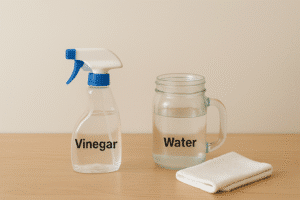
- 1 cup white vinegar
- 1 cup distilled water
- 20-30 drops of essential oil (e.g., tea tree, lavender, or lemon)
Instructions:
- Combine the vinegar and distilled water in a spray bottle.
- Add your preferred essential oil drops. Tea tree oil is known for its antimicrobial properties, while lemon oil has a fresh, clean scent.
- Shake the bottle well to mix the ingredients.
Usage:
- Use this spray on countertops, doorknobs, and other high-touch surfaces in your home.
- It’s also safe for most kitchen surfaces, but be cautious with granite or marble, as vinegar can be too acidic for these materials.
Tips:
- Shake the bottle before each use to ensure the oils are evenly distributed.
- For an added boost, you can warm the mixture slightly before spraying, which can enhance the vinegar’s cleaning power.
Advanced Recipe: Alcohol-Based Disinfectant Spray
For those times when you need a stronger disinfectant, an alcohol-based spray is the way to go. This recipe is particularly effective against viruses and bacteria, making it ideal for more thorough cleaning sessions.
Ingredients:
- 2/3 cup isopropyl alcohol (at least 70% concentration)
- 1/3 cup distilled water
- 10-20 drops of essential oil (optional, for scent)
Instructions:
- Mix the isopropyl alcohol and distilled water in a spray bottle.
- Add essential oil if you want to include a pleasant fragrance.
- Shake the bottle to combine the ingredients.
Usage:
- This spray is great for disinfecting electronics, light switches, and bathroom surfaces.
- Alcohol evaporates quickly, so it’s safe to use on a variety of surfaces without leaving residue.
Tips:
- Ensure the alcohol concentration is at least 70% for effective disinfection.
- Keep this spray away from open flames or heat sources, as alcohol is highly flammable.
How to Use DIY Disinfectant Sprays Around the House
DIY disinfectant sprays are incredibly versatile and can be used in virtually every room of your home. Here’s how you can incorporate them into your cleaning routine:
- Kitchen:
- Spray countertops, cutting boards, and sinks after food preparation to kill bacteria and neutralize odors.
- Wipe down cabinet handles, fridge doors, and appliance buttons regularly.
- Bathroom:
- Disinfect the toilet seat, flush handle, and faucet handles daily.
- Use the alcohol-based spray on your showerhead and tap to prevent mold and mildew buildup.
- Living Room:
- Freshen up remote controls, light switches, and door handles.
- Spray down your coffee table and other frequently touched surfaces.
- Bedroom:
- Use the vinegar and essential oil spray on your mattress and pillows to eliminate bacteria and refresh linens.
- Clean your nightstands, doorknobs, and closet handles weekly.
- Outdoor Areas:
- Disinfect patio furniture and outdoor tables, especially if you’ve had guests over.
- Use the spray on doorknobs and handles to prevent germs from entering your home.
Tips for Prolonging the Shelf Life of Your Sprays
One of the benefits of making your own DIY disinfectant sprays is the ability to control the ingredients. However, because they lack the preservatives found in commercial products, DIY sprays may have a shorter shelf life. Here are some tips to ensure your sprays remain effective:
- Store in a Cool, Dark Place:
- Keep your spray bottles away from direct sunlight and heat sources, as these can degrade the ingredients over time.
- Use Dark-Colored Bottles:
- If possible, store your disinfectant in dark glass bottles, which can help protect the essential oils from light exposure.
- Label Your Sprays:
- Clearly label each bottle with its contents and the date it was made. This will help you track when it’s time to make a new batch.
- Regularly Replace Ingredients:
- If you notice a change in the scent or appearance of your spray, it’s time to make a fresh batch. Essential oils, in particular, can lose their potency over time.
- Test Before Use:
- Before using a spray you haven’t touched in a while, test it on a small area to ensure it still smells fresh and works effectively.
Conclusion: Keep Your Home Germ-Free with DIY Disinfectant Sprays
Creating your own DIY disinfectant sprays is not only a smart and economical choice but also a fun way to take control of the products you use in your home. With just a few simple ingredients, you can make powerful cleaners that are free of harsh chemicals and safe for your family and pets.
Whether you’re looking for a basic vinegar-based solution or a stronger alcohol-based spray, these recipes provide an effective way to keep your home clean and germ-free. By following the tips outlined in this blog, you can ensure that your homemade disinfectants remain fresh and effective, helping you maintain a clean and healthy living environment.
When it comes to more challenging cleaning tasks or when you simply don’t have the time, consider turning to professionals. CleanHelp Canada is one of the leading apartment cleaning companies in London, Ontario, providing top-notch services that cater to your specific needs. Whether it’s a routine clean or a deep cleaning session, CleanHelp Canada can help keep your home spotless and free from germs. Visit cleanhelpcanada.ca to learn more about our services and how we can assist you in maintaining a clean and healthy home.