

Keeping your fridge clean matters if you want a neat kitchen, plus it keeps the machine running longer while protecting the food inside. Regular fridge cleaning stops bad germs from spreading, gets rid of weird smells, and cuts down wasted groceries since you’ll actually notice what’s there. This guide explains why cleaning often makes sense, shares real methods that work well, and offers smart ideas to arrange things better. Whether you’re tackling tough spills or simply chasing freshness, you’ll find everything you need to keep your fridge in great shape without hassle.
The Importance of Regular Fridge Cleaning
Health Benefits of fridge cleaning
A tidy fridge helps stop sneaky germs from ruining your meals or making you sick. Wipe down shelves now and then so everything stays fresh and nothing weird shows up when you grab lunch. Besides, nobody likes spotting fuzzy experiments hiding behind last week’s leftovers.
Preventing Food Waste
A messy fridge usually means food gets ignored, kind of like tossing cash in the trash. When you clean it out regularly, you actually notice what’s inside, so less spoils over time. Seeing stuff clearly makes people eat it faster – helps your budget breathe easier while helping Earth a bit too.
Maintaining Appliance Efficiency
Here’s the thing – a grimy fridge doesn’t chill efficiently. Caked-on gunk clogs airflow, so it hums nonstop trying to cool down. That extra strain spikes electricity use, plus wears out parts faster. Just wiping it now and then makes a real difference.
Essential Cleaning Supplies You’ll Need for fridge cleaning
Basic Cleaning Agents for fridge cleaning
You don’t have to pack your cupboard full of cleaners. Try mixing warm water with baking soda – it handles most grime just fine. When stains won’t budge, toss in some vinegar instead. Oh yeah, grab that old sponge too; it’s perfect for wiping out sticky spots.
Tools for Effective fridge Cleaning
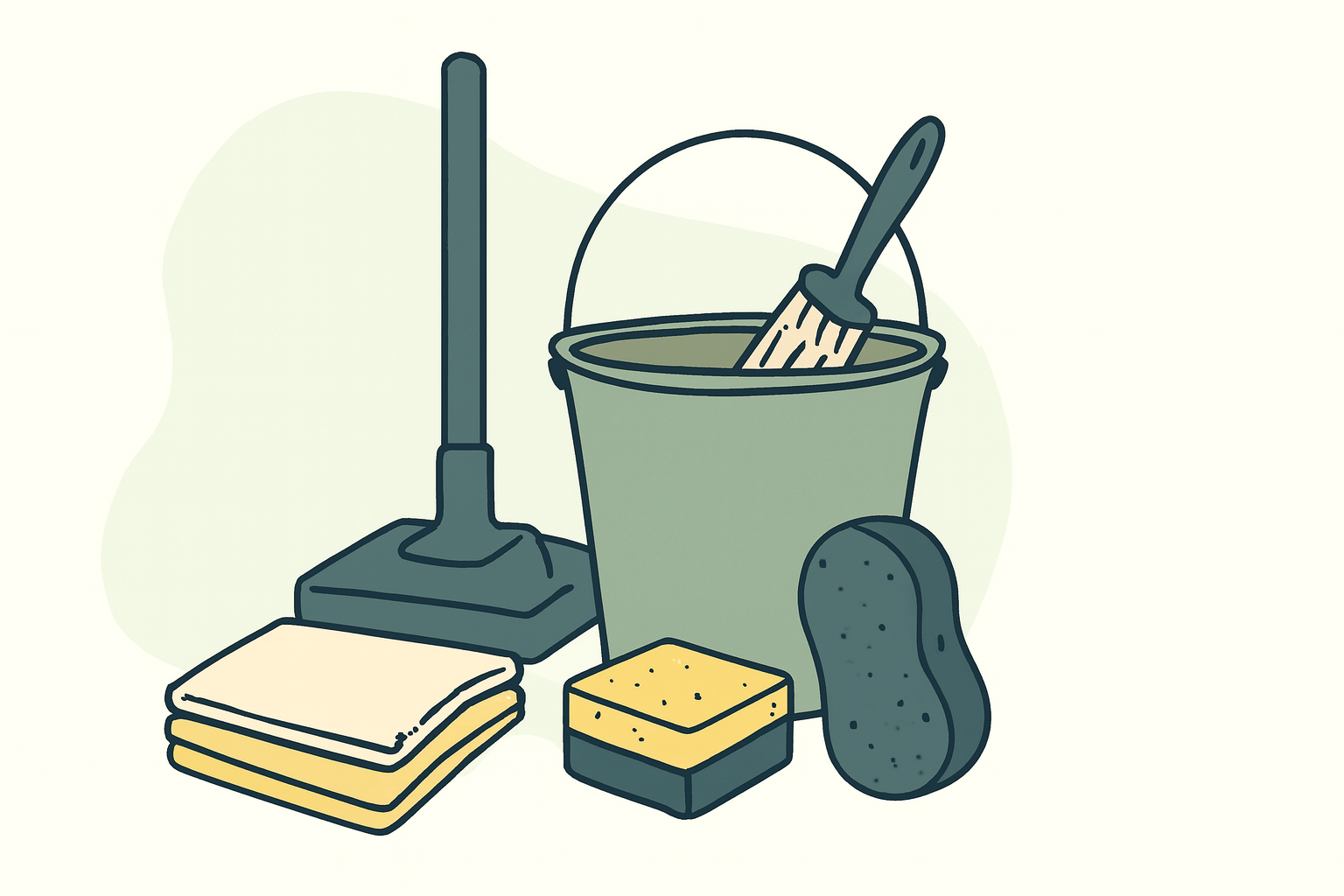
Gather your cleaning crew – microfiber cloths, sponges, along with a soft-bristle brush. These work well without harming fragile fridge parts, so they’re safe to use. Grab a bucket; toss in a vacuum if crumbs tend to scatter – keeps the floor from getting slick!
Optional Eco-Friendly Products
If you’re in the mood to go green, try switching to earth-safe cleaning stuff. Go for items that break down naturally and won’t poison nature, yet still handle mess well. Mix your own at home using things like lemon juice or plant-based oils instead. The fridge ends up fresh-smelling – and you help out nature too, so everybody gains.
Step-by-Step Guide to Emptying and fridge cleaning
Preparing for the Fridge Cleaning Process
Get ready to clean your fridge like a pro. Grab what you need first, then hit play on music that pumps you up – cleaning feels better when there’s rhythm involved. Toss in a couple of containers to sort stuff fast – one holds garbage, another saves eats worth keeping, while the third collects goodies headed for others who’ll use them. Time to make order outta chaos.
How to Safely Remove Food Items During Fridge Cleaning
Shift into your personal game mode like stacking groceries tight in a tiny space. Take stuff out piece by piece, peeking at expiry labels – toss what’s iffy. Slip delicate things into a cold box so they stay fresh during scrubbing. Keep this in mind: when mold shows up or the stink hits hard? That’s your cue to dump it.
Cleaning Different Fridge Components
After the fridge’s empty, get ready for the best bit – giving it a scrub. Begin with the trays and bins, grab your go-to cloth plus some cleaner. Door gaskets? Yeah, those trap goo real well. Seriously, don’t skip the sides or ceiling – you’d shock yourself at how grimy they’ve gotten.
Identifying Common Stains in Fridge Cleaning
Spills might feel like the last straw when scrubbing your fridge. Think juice leaks, old meals gone fuzzy, or sauces sneaking out of their jars. Stay calm – grab a decent cleaner, take your time, so they vanish for good. Tough spots don’t stand a chance if you work steady.
Effective Odor-Eliminating Techniques
To get rid of bad smells, toss an open box of baking soda into the fridge – it soaks up stink naturally. When pesky odors stick around, hit them with a spritz of water mixed with vinegar instead. If nothing else works, stash a little bag of used coffee grounds inside – suddenly, your cooler will smell way better.
Preventing Future Stains and Odors After Fridge Cleaning
Once you’ve put in all that effort, don’t let it go to waste. Keep things tight with sealed boxes so liquids won’t spread or stink up the place. Tackle messes right away – don’t wait. Get into the rhythm of scanning the shelves every seven days. Small steps add up when it comes to freshness; tiny actions bring solid results
Best Practices for Food Placement
To get the most from your fridge, stash drinks up top – dairy sits better on middle shelves while meats go at the bottom, ideally in their own container. Toss fruits and veggies into the crisper bins – one type per drawer keeps things fresher longer. Oh, and leftover meals? Stick ’em out front so you actually remember to eat ‘em before they turn weird.
Using Clear Containers and Labels
Clear bins act like little windows into your fridge’s mind. Since you can spot stuff fast, odds are lower you’ll leave food behind. Try tagging every box – write down what’s inside along with when it went in – so old meals don’t turn into science experiments. Quick idea: grab colorful tape and a marker for labeling that feels more craft than chore.
Maintaining an Inventory of Fridge Contents
Keep a basic list – on paper or online – of what’s inside your fridge. Could be just notes, maybe some tool on your phone; go with what feels right. Change it each time you toss something in or take something out. That way, no more extra runs to buy stuff you’ve already got sitting there. Makes meal prep easier, so you’re not digging through shelves like you’re solving a mystery.
Maintaining a Clean Fridge: Frequency and Best Practices
Creating a Fridge Cleaning Schedule
Setting up a cleaning routine feels like treating your fridge to downtime now and then. Go for a deep scrub once a month, toss in fast wipe-downs each week. Jot it down on your planner – it turns into just another must-do slot, right? After all, even appliances deserve a little quiet time.
Daily, Weekly, and Monthly Fridge Cleaning Tasks
Daily chores might just mean cleaning up messes or glancing at use-by labels. Every week, peek inside to clear out clutter and sort things around. Each month, pull every item out – wipe the shelves clean while wondering if that weird container still counts as food.
Signs That Your Fridge Needs Attention
If odd odors hit you, shelves feel tacky, or jars tumble out wild – time to step in. On top of that, when food suddenly freezes or slumps into goo, your fridge is screaming for help. Keep an eye out; ignoring it now might mean bigger headaches later.
Eco-Friendly Cleaning Alternatives
Natural Cleaning Solutions You Can Make at Home
Stop reaching for those bottled cleaners full of chemicals. Try whipping up your own mix with vinegar, baking soda, or lemon instead. Combine half vinegar with half water – it works well to clean surfaces gently. Tackle tough spots using baking soda since it scrubs hard. Lemon adds a crisp scent that clears out bad odors – your fridge will feel fresher without fake perfumes.
Benefits of Using Eco-Friendly Products
Switching to green cleaners means less pollution plus safer meals from your fridge. Also, imagine opening it to a zesty orange-like freshness – no nasty fumes. That kind of upgrade boosts well-being while doing good for Earth.
Recycling and Proper Disposal of Cleaning Materials
Once you’re done wiping down surfaces, skip tossing everything in the bin. See whether bits like glass sprayers might get reused instead. Old towels? Turn them into scrubbing scraps later on. Getting rid of stuff the right way cuts back junk piling up. That little move makes your tidy-up habit kinder to nature.
Troubleshooting Common Fridge Issues
Identifying Unusual Noises
Is your fridge making noise like it’s in a spooky film? You might hear pops, hums, or bubbling now and then. Not every sound is bad – ice makers tend to click sometimes. But when you get something deeper, almost like a rumble, better make sure it isn’t acting up. Peek at the fan or the motor; doing so may skip a service call.
Dealing with Temperature Problems
If your fridge feels hotter than the room outside during summer, don’t freak out. Set it colder – most work best under 40°F. Still not cool? Look for stuff blocking vents or see if the door closes tight. Wipe down those dusty coils every now and then – they’ll thank you by keeping things icy.
Addressing Leaks and Condensation
Water spots might come from a grimy tray or a clogged thaw tube. Peek behind the bottom part of your fridge for drips, look out for moisture gathering. When it keeps happening, get help from an expert – no need to stress over fixes! Beats turning your kitchen into a tiny splash zone. All in all, wiping down your cooler now and then isn’t just about looks – it helps keep grub fresh. Stick to these moves and hints shared here, makes chores easier plus keeps your cold box running smooth. Keep this in mind – small efforts add up, which means wiping down your fridge should just become one more thing you do around the house. When it’s tidy and sorted out, you’ll feel better about what’s inside plus get full use out of every shelf.
Frequently Asked Questions about fridge cleaning
How often should I clean my fridge?
It is recommended to clean your fridge at least once a month, with a deeper clean every three to six months. Regularly checking for expired items and spills can help maintain cleanliness in between thorough cleanings.
What are the best natural cleaning solutions for my fridge?
Common natural cleaning solutions include a mixture of vinegar and water, baking soda, and lemon juice. These ingredients are effective at removing stains and odors without harsh chemicals.
Can I use bleach to clean my fridge?
While bleach can be effective for disinfecting, it is not recommended for cleaning food storage areas due to its strong chemical nature. Instead, opt for milder solutions that are safe for food contact surfaces.
How can I prevent odors in my fridge?
To prevent odors, regularly check for expired food, clean spills promptly, and use odor-absorbing agents like baking soda or activated charcoal placed in an open container in the fridge.