
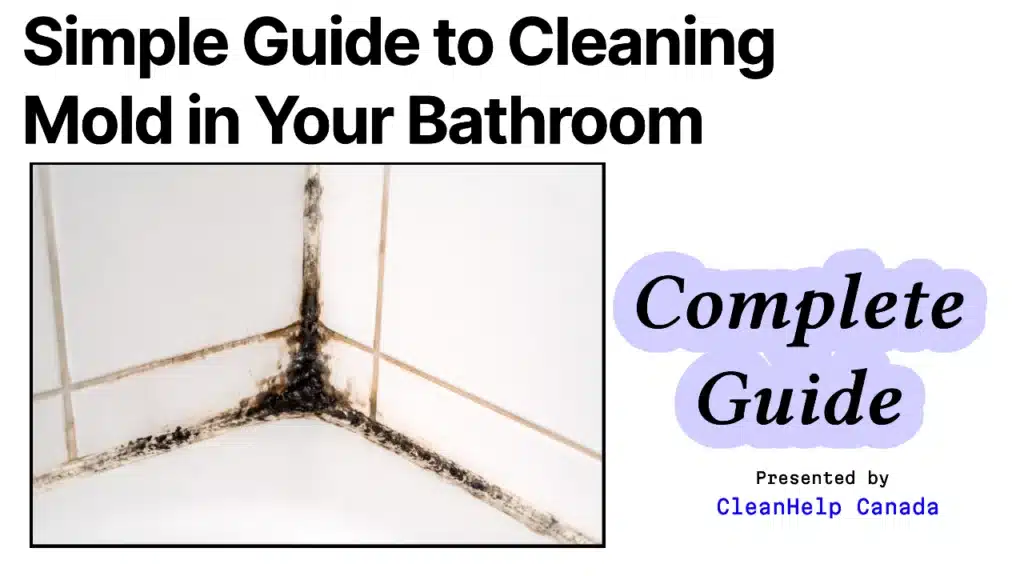
Mold in the bathroom is a common yet troublesome issue that many homeowners face. The warm and humid conditions often found in these spaces create an ideal environment for mold growth, which can not only damage surfaces but also pose health risks to occupants. Understanding how to effectively remove bathroom mold and prevent its recurrence is essential for maintaining a safe and healthy home. In this article, we will explore the causes of mold, essential tools for removal, step-by-step cleaning methods, and preventative measures to help you achieve a mold-free bathroom. Whether you’re dealing with a small patch or a larger infestation, our comprehensive guide will provide you with the knowledge and techniques needed to tackle this pesky problem.
Understanding Mold: Causes and Risks to remove bathroom mold
1.Types of Mold Commonly Found in Bathrooms
Bathrooms are a prime love nest for mold, and not just any mold—think of it as a club with exclusive members. The most common types include Aspergillus, Cladosporium, and Schubots (also known as black mold). While none of these are on anyone’s party list, black mold is notorious for its health risks, making it the uninvited guest that just won’t leave.
2.Health Risks Associated with Mold Exposure
Mold may seem harmless, but it can bring along some nasty party favors. Exposure can lead to sneezing, coughing, and other respiratory issues, especially for those with allergies or asthma. In severe cases, prolonged exposure to certain types, particularly black mold, can cause neurological problems and weakened immune responses. So, if you notice mold in your bathroom, it’s time to kick it to the curb!
3.Environmental Conditions That Promote Mold Growth
Mold thrives on a moist diet, so if your bathroom is perpetually humid, you’re serving up a buffet. Common factors include poor ventilation, leaks, and damp materials like towels and bath mats. Your bathroom should be less of a spa retreat for mold and more of a well-ventilated sanctuary for you.
Essential Tools and Supplies to remove bathroom mold
1.Cleaning Agents: Commercial vs. Natural Solutions to remove bathroom mold
When it comes to battling mold, you’ve got options! Commercial solutions often pack a punch with potent chemicals like bleach, but if you’re looking for a more eco-friendly approach, natural alternatives like vinegar and baking soda can be surprisingly effective, too. Just be aware that natural does not always mean non-toxic, so read the labels—your plants and pets will thank you!
2.Protective Gear: What You Need to Wear to remove bathroom mold
Suit up like a mold-fighting superhero! Wear rubber gloves to protect your hands, a mask to shield your lungs, and goggles to keep your eyes safe from mold spores and cleaning solutions. You may not need a cape, but you definitely don’t want to end up on the wrong side of a sneeze or itch!
3.Tools Required to remove bathroom mold
Your toolkit for this mission should include a sturdy scrub brush or sponge, an old toothbrush for those pesky corners, and a spray bottle for your cleaning solution. A bucket can also come in handy for rinsing. Just be sure to have a dedicated mold removal kit so you don’t accidentally launch a mold invasion in another part of the house!
Cleaning Process: Treating Affected Mold Areas
Preparation: Assessing the Severity of the Mold Problem
Before you dive in, take a good look around. Identify the affected areas and assess how much mold is doing the cha-cha on your bathroom walls. If it’s a small patch (less than 10 square feet), you’re good to go. But if it’s a full-blown mold fiesta, you might want to call in the pros. Remember, sometimes it’s best to know when to ask for backup!
Cleaning Process: Treating Affected Areas
Grab your cleaning solutions and tools; it’s time for action! Spray the affected area generously and let it sit for about 10-15 minutes to give the cleaning agents time to work their magic. After that, scrub vigorously—let your inner clean freak shine! Rinse with warm water and dry the area thoroughly. If the mold insists on sticking around, repeat the process. Persistence is key!
Drying and Disinfecting the Bathroom
Congratulations, you’ve evicted the mold! Now, let’s make sure it doesn’t try to come back for an encore. Use a fan or dehumidifier to dry everything out completely. Once dry, use a disinfectant to give the area an extra layer of protection. The goal is to keep that bathroom pristine and mold-free—make it your fortress of hygiene!
Drying and Disinfecting the Bathroom After Mold Removal
Improving Ventilation: Importance of Airflow
Open those windows and let the fresh air flow! Good ventilation is critical in keeping mold at bay. Consider installing an exhaust fan if you don’t already have one. The more airflow you can create, the tougher you make it for mold to find a cozy spot.
Regular Cleaning Routines to Keep Mold at Bay
Establishing a regular cleaning routine is your best defense against mold. Wipe down surfaces, especially after steamy showers, and don’t forget to change out wet towels and mats. A few minutes of maintenance each week goes a long way in maintaining a mold-free zone.
Using Mold-Resistant Products in Your Bathroom
Investing in mold-resistant paints, caulks, and bathroom accessories can be a game-changer. These products are specifically designed to inhibit mold growth, so while they may cost a little extra upfront, you’ll save money (and headaches) in the long run. Plus, who wouldn’t want to put mold on notice?
When to Call a Professional to Remove Bathroom Mold
Identifying Severe Mold Infestations
If your bathroom looks like it’s auditioning for a horror movie, it might be time to call in the pros. Severe mold infestations often extend beyond what you can see on the surface. If you notice extensive mold growth (think larger than a dinner plate) or if it has spread into your walls or under tiles, a professional’s expertise is crucial. Don’t let a small spot turn into a moldy monster lurking in your home!
Understanding the Costs of Professional Remediation
Professional mold removal can range from a couple of hundred dollars to several thousand, depending on the severity of the problem and the size of the affected area. While it might feel like you’re being asked to fork over a small fortune, consider it an investment in your health and home. If you have a hefty mold problem, paying a bit upfront can save you from costly health issues down the line.
Choosing the Right Mold Removal Service to remove mold
Finding the right team to tackle your mold menace is crucial. Look for companies with solid reviews and verified credentials. Ask about their experience, certification, and methods (no one wants a mold removal team that uses witchcraft). Get quotes from multiple services and don’t be afraid to ask probing questions—after all, it’s your home and health at stake!
Natural Alternatives to Remove Bathroom Mold
Effective Natural Ingredients to remove bathroom mold
Got a green thumb? Good news! Many natural ingredients are tough on mold but gentle on the environment. White vinegar, baking soda, tea tree oil, and hydrogen peroxide are all champions in the mold-fighting arena. Mix them up, and you’ve got yourself a homemade cleaning squad that smells way better than any harsh chemicals.
Homemade Mold Removal Solutions to remove bathroom mold
Crafting your mold-fighting concoctions is easier than baking a batch of cookies (minus the calories). For a potent spray, mix equal parts water and white vinegar in a spray bottle. For a baking soda paste, mix baking soda with water until it’s thick enough to spread on those pesky stains. Spray or slather, let it sit, and then scrub away—goodbye mold, hello fresh bathroom!
Advantages of Using Natural Products to remove bathroom mold
Using natural products means you’re not just battling mold; you’re also being kind to Mother Earth and your lungs. Natural cleaners are usually non-toxic, biodegradable, and safe for kids and pets. Plus, you get the satisfaction of knowing you’re keeping harmful chemicals out of your home. Who knew cleaning could be so virtuous?
Health Precautions During Bathroom Mold Removal
Recognizing Symptoms of Mold-Related Health Issues
Mold isn’t just a nuisance; it can bring along a plus-one called health issues. Watch out for symptoms like sneezing, coughing, itchy eyes, or skin rashes—these could all be signs that mold is making you its new best friend. If you start feeling under the weather in the bathroom, it’s time to take action (and maybe consult a doctor).
Safety Measures During the Cleaning Process
Before diving into mold removal, don your best superhero gear: gloves, goggles, and a mask. This isn’t about looking fashionable; it’s about protecting yourself from mold spores and harsh chemicals. Ensure good ventilation in the bathroom, and don’t forget to take breaks—no one wants to pass out from mold fumes mid-scrub!
Post-Remediation Health Checks
Once you’ve tackled the mold, give yourself a health check-up. Keep an eye on any lingering symptoms, and don’t hesitate to visit a healthcare provider if you have concerns. Consider investing in an air quality monitor to ensure your bathroom continues to breathe easy. Your health is worth it—after all, you deserve a mold-free palace!
Maintaining a Mold-Free Bathroom Environment
Routine Maintenance Tips for Homeowners
Keeping your bathroom mold-free is a marathon, not a sprint. Regularly check for leaks, wipe down shower surfaces, and keep your bathroom fan running during and after showers. Regular cleaning routines, including scrubbing tiles and grout, will keep mold at bay and your bathroom looking fabulous.
Seasonal Considerations for Mold Prevention
Seasons change, and so do your mold-fighting tactics! In humid months, increase ventilation with fans or open windows. During the colder months, ensure your bathroom is appropriately heated to prevent condensation. And don’t forget to keep an eye on those pesky seasonal changes mold is sneaky and loves to pop up at the most inconvenient times!
Monitoring Humidity Levels in Your Bathroom
Humidity is mold’s best friend, which means it’s your arch-nemesis! Invest in a hygrometer to keep tabs on your bathroom’s humidity levels. Aim for 30-50% humidity—if it creeps higher, consider using a dehumidifier. It’s like giving mold the cold shoulder; after all, this is your bathroom, not a mold party!In conclusion, effectively removing mold from your bathroom is crucial for both the aesthetics of your home and the health of its occupants.
By following the steps outlined in this article and implementing preventative measures, you can ensure your bathroom remains a safe and inviting space. Regular maintenance, coupled with prompt action at the first sign of mold, will help you keep this common household nuisance at bay. With the right tools and knowledge, you can successfully create a mold-free environment for you and your family.
Frequently Asked Questions
1. How can I tell if I have mold in my bathroom?
You may notice visible black, green, or white spots on surfaces, a musty odor, or experience allergic reactions such as sneezing and coughing when spending time in the bathroom.
2. What are the best natural solutions for removing mold?
Common natural solutions include a mixture of vinegar and water, baking soda, and hydrogen peroxide. These ingredients can effectively kill mold without harsh chemicals.
3. Is it safe to remove mold myself, or should I hire a professional?
If the mold is limited to a small area, you can safely remove it yourself using proper precautions. However, if the infestation is extensive or if you experience health issues, it’s best to hire a professional mold remediation service.
4. How can I prevent mold from returning after removal?
Regularly clean and dry your bathroom, improve ventilation, and use mold-resistant products. Keeping humidity levels low and fixing any leaks promptly can also help prevent mold growth.